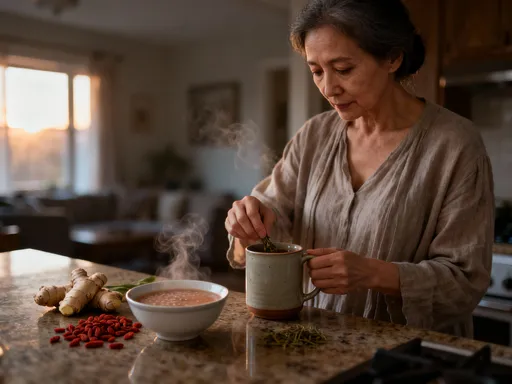
How I Quietly Strengthened My Health with Traditional Chinese Wisdom
For years, I chased quick fixes—supplements, diets, intense routines—only to feel drained and stuck. Then I shifted to long-term balance through traditional Chinese medicine (TCM) adjustment. It’s not about curing illness, but about preventing imbalance before it turns into disease. By tuning into my body’s rhythms, adjusting daily habits, and working with nature instead of against it, I’ve seen real, lasting shifts. This is what I’ve learned—and why I wish I’d started sooner.
The Hidden Cost of Short-Term Health Fixes
In today’s fast-paced world, it’s easy to fall into the trap of seeking immediate solutions for fatigue, low energy, or digestive discomfort. Many women in their 30s, 40s, and 50s turn to energy drinks, restrictive diets, or over-the-counter remedies to keep up with family, work, and household demands. These methods may offer a brief boost, but they rarely address the deeper reasons behind the body’s signals. In fact, over time, they can contribute to a cycle of depletion. When the body is repeatedly pushed without proper rest or nourishment, its ability to recover weakens. This is especially true during life transitions such as perimenopause, when hormonal shifts make resilience even more critical.
Traditional Chinese medicine recognizes that symptoms like tiredness, bloating, or irritability are not random inconveniences, but signs of underlying imbalance. For example, relying on caffeine to stay alert may mask chronic fatigue, but it does nothing to support the kidneys, which in TCM are viewed as the foundation of long-term energy and vitality. Similarly, skipping meals to lose weight might lead to short-term results, but it strains the spleen—a key organ in digestion and nutrient absorption. Over time, such habits erode the body’s natural rhythm, making it harder to maintain steady energy, strong immunity, and emotional stability.
The danger of reactive health strategies is that they treat the body like a machine that can be refueled or rebooted at will, rather than a living system that thrives on consistency and balance. This approach may work in emergencies, but it fails when applied to daily wellness. Instead of asking “What can I take to feel better now?” a more sustainable question is “What patterns in my life are making me feel this way?” Shifting focus from symptom suppression to root support is the first step toward lasting health. Prevention, not intervention, becomes the goal.
Understanding TCM Adjustment: Balance Over Band-Aids
At the heart of traditional Chinese medicine is the idea that health is not the absence of disease, but the presence of balance. This balance is dynamic, constantly shifting in response to lifestyle, environment, and emotions. Two foundational concepts in TCM are qi (pronounced “chee”) and the interplay between yin and yang. Qi is the vital energy that flows through the body, supporting all functions from breathing to digestion to immune defense. When qi flows smoothly, the body functions well. When it becomes blocked or depleted, discomfort and illness may follow.
Yin and yang represent complementary forces—yin being cooling, nourishing, and restorative, while yang is warming, active, and energizing. Good health depends on a harmonious relationship between the two. For instance, a woman who is constantly active, multitasking, and pushing through fatigue may be living in a state of excessive yang and deficient yin. Over time, this can lead to symptoms like insomnia, dry skin, or hot flashes—common concerns during midlife. TCM adjustment aims to restore this balance through gentle, personalized strategies rather than aggressive treatments.
Each organ system in TCM has both a physical and energetic role. The spleen governs digestion and the transformation of food into usable energy. The liver ensures the smooth flow of qi and emotions—when it becomes stagnant, irritability and tension may arise. The kidneys store essence and support endurance, aging, and reproductive health. Rather than isolating these systems, TCM views them as interconnected. A problem in one area often reflects a broader pattern. The goal is not to “fix” a single organ, but to support the entire system so it can regulate itself. This is why small, consistent changes in routine can have profound effects over time.
Why Prevention Beats Intervention
Modern medicine excels at diagnosing and treating acute conditions, from infections to injuries. However, it often waits until a condition has fully developed before taking action. In contrast, traditional Chinese medicine emphasizes early detection and subtle correction. It teaches that illness does not appear suddenly, but grows from long-standing imbalances that go unnoticed. Fatigue after meals, frequent colds, or mild anxiety may seem minor, but in TCM, they are valuable signals that the body is out of alignment.
Consider the example of seasonal allergies. Western medicine may prescribe antihistamines to reduce symptoms, while TCM might look at the root cause—such as weakened lung qi or a spleen that is overburdened by dampness from poor diet. By strengthening these systems in the months before allergy season, the body may respond more calmly when exposed to allergens. This proactive mindset shifts the focus from crisis management to long-term resilience.
For women managing household responsibilities and personal health, this approach is especially empowering. It means that wellness is not dependent on a doctor’s visit or a prescription, but on daily choices that support the body’s natural intelligence. Eating warm, cooked meals in winter, allowing time for rest during stressful periods, or practicing mindful breathing during moments of tension—all these are forms of prevention. They may not produce dramatic results overnight, but over months and years, they build a foundation of strength that makes illness less likely to take hold.
Daily Rhythms: Aligning with Nature’s Clock
One of the most practical and sustainable principles in TCM is living in harmony with natural cycles. The body operates on a 24-hour rhythm, with different organ systems becoming most active at specific times. This concept, known as the Chinese body clock, offers a simple framework for structuring daily life. For example, the liver is most active between 1 a.m. and 3 a.m., a time when deep sleep supports its function of cleansing the blood and regulating emotions. If a person regularly wakes during this window, TCM might suggest liver qi stagnation due to stress or poor sleep hygiene.
Similarly, the spleen and stomach are most active between 7 a.m. and 9 a.m., making this the ideal window for a nourishing breakfast. Skipping this meal or eating on the run can weaken digestive function over time. By midday, from 11 a.m. to 1 p.m., the heart is at its peak, which is why a light, mindful lunch supports mental clarity and circulation. Evening hours are for winding down—by 9 p.m., the triple burner system begins preparing the body for rest, making it an ideal time to disconnect from screens and create a calming routine.
Aligning with these rhythms does not require rigid scheduling, but gentle awareness. Going to bed earlier, even by 30 minutes, can significantly improve energy the next day. Eating the largest meal at noon, when digestive fire is strongest, supports better nutrient absorption. These adjustments are not about perfection, but about consistency. Over time, the body learns to expect rest, nourishment, and activity at the right times, leading to more stable energy, better digestion, and improved emotional balance. This is the quiet power of rhythm—small changes that compound into lasting health.
Food as Quiet Medicine: Eating for Balance
In traditional Chinese medicine, food is not just fuel—it is a form of daily medicine. Each food has energetic properties that can either support or disrupt internal balance. For example, raw salads and cold smoothies, while popular in modern diets, are considered cooling and difficult to digest, especially for those with a weak spleen. In TCM, the digestive system is likened to a pot that needs steady heat to “cook” food properly. Eating too many cold or raw foods can dampen this digestive fire, leading to bloating, fatigue, or loose stools.
Instead, TCM encourages warm, cooked meals that are easy to digest and nourishing to the body. Think of congee, soups, stews, and steamed vegetables—foods that are gentle on the stomach and support spleen function. The way food is prepared matters as much as the ingredients. Slow cooking, warming spices like ginger and cinnamon, and thorough chewing all enhance digestibility. These practices are especially helpful during colder months or for women experiencing fatigue or digestive sensitivity.
The five flavors—sweet, sour, bitter, spicy, and salty—also play a role in organ balance. A moderate amount of natural sweet flavors from grains and root vegetables supports the spleen, but excessive sugar can create dampness and sluggishness. Sour foods like lemon or vinegar can help收敛 (converge) energy and benefit the liver, while bitter greens like dandelion support detoxification. Spicy foods like garlic and chili stimulate circulation but should be used carefully in hot or dry conditions. The key is balance and seasonality—eating foods that match both the external environment and the body’s internal needs.
Personalization is essential. What works for one person may not suit another. A woman with cold hands and low energy may benefit from warming, cooked foods, while someone with acne and irritability may do better with cooling, hydrating options. Paying attention to how the body responds—after meals, during seasons, through life stages—allows for thoughtful adjustments. This is not about strict rules, but about developing a relationship with food as a partner in health.
Movement That Nourishes: Gentle Practices That Last
In a culture that often equates fitness with intensity, traditional Chinese medicine offers a different perspective. Rather than pushing the body to exhaustion, TCM values gentle, regular movement that promotes the smooth flow of qi and blood. Practices like tai chi, qigong, and mindful walking are not about burning calories or building muscle, but about cultivating internal harmony. These movements are slow, deliberate, and coordinated with breath, making them accessible even for those with limited mobility or chronic fatigue.
Tai chi, often described as “meditation in motion,” combines flowing postures with deep breathing and mental focus. Studies have shown it can improve balance, reduce stress, and support cardiovascular health. Qigong, which means “cultivating life energy,” includes simple exercises such as standing meditation, gentle stretches, and rhythmic breathing. These practices help release stagnation—whether physical tension or emotional blockages—allowing energy to move freely through the body.
For women juggling multiple roles, the beauty of these practices lies in their sustainability. A 10-minute qigong routine in the morning can set a calm tone for the day. A short tai chi session in the evening can ease the transition from activity to rest. Unlike high-intensity workouts that may leave one feeling drained, these gentle forms of movement often result in increased vitality, better sleep, and mental clarity. The benefits accumulate over time, not from pushing harder, but from showing up consistently with intention and care.
The Mind-Body Link: Emotional Flow and Physical Health
In traditional Chinese medicine, emotions are not separate from physical health—they are deeply intertwined. Each major organ is associated with a specific emotion: the liver with anger, the heart with joy, the spleen with worry, the lungs with grief, and the kidneys with fear. These connections are not symbolic; they reflect real physiological interactions. For example, chronic stress or unresolved anger can disrupt liver function, leading to tension, headaches, or menstrual irregularities. Excessive worry may weaken the spleen, affecting digestion and energy levels.
This does not mean emotions should be suppressed. On the contrary, TCM teaches that emotions are natural and healthy when expressed in moderation and released over time. The problem arises when emotions become chronic or unprocessed, creating blockages in the flow of qi. Over years, this stagnation can contribute to physical symptoms. A woman who constantly suppresses frustration at work may develop tight shoulders or digestive issues. One who carries long-term grief may feel a heaviness in the chest or low immunity.
TCM offers simple tools to support emotional balance. Deep abdominal breathing activates the parasympathetic nervous system, helping to calm the mind and regulate organ function. Daily reflection, journaling, or quiet time in nature allows space to process feelings without judgment. Even small habits—like pausing before reacting, sipping warm tea during stressful moments, or setting boundaries to protect energy—can make a meaningful difference. The goal is not to eliminate emotions, but to allow them to move through the body like waves, rather than becoming stuck.
By honoring the mind-body connection, women can cultivate emotional resilience as a form of prevention. When emotions are acknowledged and released, the body is less likely to store tension or develop chronic patterns of imbalance. This holistic view empowers individuals to take an active role in their well-being, recognizing that mental peace is not separate from physical health, but a vital part of it.
True wellness isn’t about chasing perfection—it’s about consistent, mindful choices that support the body’s innate wisdom. TCM adjustment offers a sustainable path, not through dramatic changes, but through small, daily acts of care. By focusing on balance, rhythm, and prevention, we build a foundation where disease finds it harder to take root. This isn’t a quick fix—it’s a lifelong practice worth making. Always consult a qualified practitioner to support your personal journey.