How I Finally Learned to Sleep Again — A Real Talk on Beating Insomnia
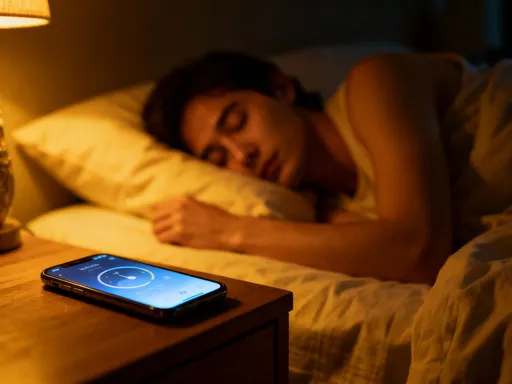
For years, I tossed and turned every night, chasing sleep like it was a ghost. I tried everything—herbal teas, meditation, even counting sheep. Nothing worked—until I started paying attention to the small, daily choices I never thought mattered. This isn’t about a magic cure, but a real shift in how I see my body and mind. If you’re tired of being tired, this might be the wake-up call you need. Sleep is not a luxury. It is a biological necessity, as essential as food and water. And yet, so many of us treat it like an afterthought, something to squeeze in if time allows. The truth is, poor sleep doesn’t just leave you groggy—it reshapes your brain, weakens your immune system, and erodes your emotional resilience. The good news? Healing your relationship with sleep begins not with drastic measures, but with awareness, consistency, and small, powerful changes that compound over time.
The Hidden Cost of Sleepless Nights
Chronic insomnia is more than a nightly struggle—it’s a silent disruptor of daily life. Many women in their 30s, 40s, and 50s dismiss sleep difficulties as a normal part of aging or stress, but the consequences are far more serious than occasional fatigue. When sleep is consistently disrupted, the body never fully enters recovery mode. This means tissues don’t repair as efficiently, hormones stay out of balance, and the brain struggles to clear metabolic waste. Over time, this sets the stage for long-term health issues, including increased risk of cardiovascular problems, weight gain, and cognitive decline. Studies show that adults who regularly get less than six hours of sleep per night are more likely to experience memory lapses, reduced focus, and slower decision-making—all of which affect work, parenting, and personal relationships.
Emotionally, sleep loss takes an even heavier toll. The brain’s emotional regulation centers become hyperactive when deprived of rest, making it harder to manage stress, frustration, or sadness. This explains why a minor disagreement can escalate into a full-blown argument after a poor night’s sleep. Many women report feeling more tearful, impatient, or overwhelmed during the day, not realizing these mood shifts are directly tied to their sleep patterns. Immune function also suffers. Research confirms that people who sleep poorly are more susceptible to colds, flu, and other infections. The immune system relies on deep sleep to produce cytokines—proteins that fight inflammation and infection. Without adequate rest, this defense mechanism weakens, leaving the body more vulnerable.
Yet, despite these risks, many continue to push through exhaustion, treating sleep as something to be conquered rather than nurtured. The turning point comes when we stop seeing sleep as a passive state and start recognizing it as an active process of restoration. Poor sleep is not a personal failure—it is a signal. It tells us that something in our daily routine, environment, or mindset is out of alignment. By listening to that signal, we open the door to meaningful change. The first step is understanding why sleep doesn’t come easily, even when we’re physically tired. That brings us to the science of why our minds resist shutting down at night.
Why We Can’t Just ‘Turn Off’ Our Minds at Night
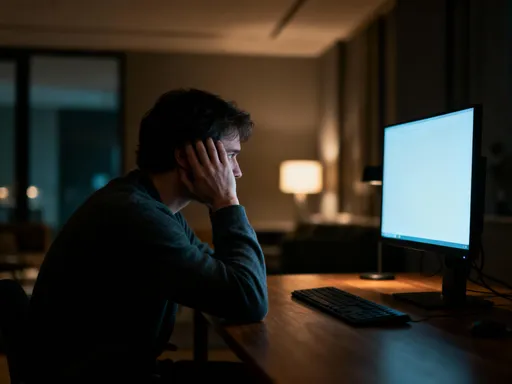
One of the most frustrating aspects of insomnia is lying in bed, exhausted, yet mentally alert. It feels contradictory: the body is tired, but the mind refuses to rest. This isn’t a flaw in willpower—it’s a biological response shaped by modern life. The human brain evolved to stay vigilant, scanning for threats even in safe environments. Today, that same survival mechanism gets triggered not by predators, but by emails, social media, and unresolved worries. When we bring these stressors into the evening, our nervous system remains in a state of low-grade alertness, making it nearly impossible to drift into sleep.
The key player in this process is cortisol, the body’s primary stress hormone. Normally, cortisol levels peak in the morning to help us wake up and gradually decline throughout the day. But when we experience stress late in the day—whether from work pressure, family demands, or screen overuse—cortisol spikes again, disrupting the natural wind-down process. At the same time, melatonin, the hormone responsible for sleep onset, struggles to rise. This hormonal imbalance creates a state of being both tired and wired—a common experience for women juggling multiple roles and responsibilities.
Another major disruptor is blue light from electronic devices. Smartphones, tablets, and televisions emit wavelengths that mimic daylight, tricking the brain into thinking it’s still daytime. This suppresses melatonin production and delays the body’s internal clock, known as the circadian rhythm. Even 20 minutes of screen time before bed can shift melatonin release by over an hour. Combine this with irregular sleep schedules—staying up late on weekends, sleeping in on holidays—and the body’s rhythm becomes further confused. The result? A brain that doesn’t know when to be alert and when to rest.
Trying to force sleep only makes the problem worse. The more we focus on falling asleep, the more anxious we become, creating a cycle of frustration and wakefulness. This is why traditional advice like “just relax” often fails. The brain isn’t designed to switch off on command. Instead, it needs consistent cues that signal safety, calm, and readiness for rest. These cues don’t come from willpower—they come from routine, environment, and daily habits. That realization was my wake-up call.
My Wake-Up Moment: When I Realized Sleep Was a Habit, Not Luck
It was 3:14 a.m. again. I was staring at the ceiling, calculating how many hours of sleep I’d miss if I fell asleep right then. My mind raced with tomorrow’s to-do list, yesterday’s unresolved conversation, and the growing fear that I’d never sleep normally again. I wasn’t alone—millions of women experience this nightly ritual of mental replay and quiet despair. What changed for me wasn’t a new supplement or a doctor’s prescription. It was a simple shift in perspective: I stopped seeing sleep as something that either happened to me or didn’t, and started seeing it as a skill I could learn.
This idea—that sleep is a habit, not luck—was revolutionary. I had spent years blaming myself for not being able to relax, for having a “busy mind,” or for lacking discipline. But what if the problem wasn’t me? What if the problem was my routine? I began to observe my days like a scientist, tracking what I did from the moment I woke up to when I turned off the lights. I noticed patterns: I drank coffee late in the afternoon, scrolled through my phone in bed, skipped lunch when busy, and rarely stepped outside before noon. None of these seemed like major issues on their own, but together, they were sabotaging my sleep.
That’s when I understood: sleep doesn’t start at bedtime. It starts the moment you open your eyes in the morning. Every choice—what you eat, how you move, where you direct your attention—either supports or undermines your ability to rest at night. I stopped chasing sleep and started building the conditions for it. This wasn’t about perfection. It was about consistency. Small, repeatable actions, done daily, that taught my body when to be awake and when to wind down. The change wasn’t overnight, but within weeks, I noticed differences: fewer middle-of-the-night awakenings, easier mornings, and a growing sense of calm in the evenings.
This shift in mindset was the foundation of my recovery. I no longer saw myself as a victim of insomnia. I became an active participant in my sleep health. And that empowerment made all the difference.
The Three Daily Shifts That Changed Everything
Once I accepted that sleep was a habit, I focused on the most impactful daily practices supported by sleep science. These weren’t extreme changes, but consistent, manageable actions that aligned my body with its natural rhythms. The first and most powerful shift was morning light exposure. Within 30 minutes of waking, I made it a rule to step outside, even for just five to ten minutes. Natural sunlight, especially in the morning, sends a strong signal to the brain to suppress melatonin and reset the circadian clock. This simple act helped regulate my internal timer, making me feel more alert during the day and sleepier at night. On cloudy days or during winter months, I used a light therapy box, which mimics natural daylight and has been shown in studies to improve sleep onset and mood.
The second shift was intentional movement in the afternoon. I didn’t need intense workouts—just 10 to 20 minutes of walking, stretching, or light strength training. Physical activity helps regulate cortisol and boosts the production of adenosine, a chemical that builds up during wakefulness and promotes sleep pressure. The timing mattered: exercising too late in the evening could be stimulating, but an afternoon walk helped me decompress without interfering with sleep. Even a short stroll after lunch improved my digestion, lifted my mood, and made it easier to fall asleep later. The key was consistency, not intensity.
The third shift was digital detox in the evening. I set a hard rule: no screens one hour before bed. This meant no phones, no laptops, no television. Instead, I replaced screen time with calming activities—reading a physical book, journaling, or listening to soft music. This allowed my brain to transition from high-stimulation mode to relaxation mode. I also turned off notifications and placed my phone in another room to reduce temptation. Over time, this hour became something I looked forward to—a quiet, uninterrupted space to reflect and unwind. These three habits—morning light, afternoon movement, and evening disconnection—worked together like gears in a clock, each reinforcing the others. They didn’t promise instant results, but over weeks and months, they created a stable foundation for better sleep.
Your Bedroom Is a Sleep Lab—Here’s How to Optimize It
If your bedroom doesn’t support sleep, no habit will fully compensate. Think of your sleep environment as a laboratory where conditions must be precisely controlled for optimal results. The first factor is temperature. The body’s core temperature naturally drops at night to initiate sleep. A room that’s too warm interferes with this process. The ideal sleep temperature for most adults is between 60 and 67 degrees Fahrenheit (15–19°C). Using breathable bedding, adjusting the thermostat, or using a fan can make a noticeable difference.
The second factor is darkness. Even small amounts of light—streetlights, digital clocks, or phone chargers—can disrupt melatonin production. Complete darkness signals the brain that it’s safe to sleep. Blackout curtains or a sleep mask are simple, affordable solutions. I started using blackout curtains and noticed I fell asleep faster and stayed asleep longer. The third factor is noise. Sudden sounds—traffic, a barking dog, a creaking floor—can fragment sleep, even if you don’t fully wake up. White noise machines or earplugs help create a consistent auditory environment, masking disruptive sounds. I found that a simple white noise app on a tablet (placed across the room) made a big difference in maintaining deep sleep.
Comfort also plays a crucial role. A supportive mattress, clean sheets, and a favorite pillow contribute to a sense of safety and relaxation. I replaced my old pillow and noticed less neck pain and fewer nighttime awakenings. Scent can enhance the sleep environment too—lavender has been studied for its calming effects, and a few drops of essential oil on a diffuser or pillowcase can promote relaxation. The goal isn’t luxury, but consistency. When your bedroom becomes a predictable, calming space, your brain learns to associate it with rest, not stress or activity.
Mind Over Midnight: Rewiring Your Relationship with Sleep
Even with perfect habits and an ideal environment, many women still struggle with nighttime anxiety—the fear of not sleeping, the frustration of lying awake, the mental replay of the day. This mental chatter isn’t a sign of weakness; it’s a natural response to years of sleep pressure. The problem is that fighting these thoughts only amplifies them. The more you try to stop thinking, the more active your mind becomes. The solution isn’t to eliminate thoughts, but to change your relationship with them.
One technique that helped me was thought labeling. When a worry arose—“I’ll never fall asleep,” “I’ll be exhausted tomorrow”—I would silently name it: “That’s a worry about sleep.” This simple act created distance, turning thoughts from commands into observations. It reminded me that thoughts are not facts. Another practice was gratitude journaling. Five minutes before bed, I wrote down three things I was grateful for—a kind gesture, a moment of laughter, a good meal. This shifted my focus from lack to abundance, calming the nervous system and reducing anxiety.
Mindfulness meditation also played a role. I used short guided sessions focused on breath awareness or body scanning. The goal wasn’t to clear my mind, but to gently return my attention when it wandered. Over time, this built mental resilience, making it easier to let go of nighttime thoughts without judgment. I also stopped checking the clock. Knowing the time only increased anxiety, so I turned my alarm clock away from view. These strategies didn’t erase insomnia overnight, but they reduced the fear around it. I began to see wakefulness not as failure, but as part of the process. Sleep returned not because I forced it, but because I stopped resisting what was already happening.
Building a Life That Supports Sleep—Not Sabotages It
Sleep doesn’t exist in isolation. It’s deeply connected to the rhythm of your entire day. What you eat, when you eat, how you move, and how you manage stress all influence your ability to rest. One of the most overlooked factors is meal timing. Eating large meals late at night forces the digestive system to work when it should be slowing down. I started having dinner at least two to three hours before bed and noticed fewer nighttime awakenings. I also became more aware of caffeine. While many know to avoid coffee in the evening, caffeine has a half-life of up to six hours. That means a 3 p.m. latte could still be affecting your body at 9 p.m. I switched to herbal tea in the afternoon and saw a noticeable improvement in sleep onset.
Daily rhythm matters too. Our bodies thrive on predictability. Going to bed and waking up at roughly the same time every day—even on weekends—strengthens the circadian clock. I used to stay up late on Saturdays, thinking I was “catching up” on freedom, but it only made Sunday nights harder. Sticking to a consistent schedule, even on days off, helped stabilize my sleep pattern. I also learned to honor my natural energy dips. Instead of pushing through afternoon fatigue with sugar or caffeine, I allowed myself short breaks—five minutes of stretching, a cup of water, a moment of quiet. These small pauses prevented energy crashes later and supported a smoother transition to bedtime.
Sleep is not something you find time for. It’s something you design for. When you align your daily choices with your body’s biology, sleep becomes less of a struggle and more of a natural outcome. This isn’t about rigid rules or perfection. It’s about awareness, intention, and compassion. If you’ve spent years feeling defeated by insomnia, know this: healing is possible. It begins with small, consistent steps. It grows through patience and practice. And it flourishes when you stop fighting your body and start listening to it. If sleep problems persist despite these changes, it’s important to consult a healthcare provider. Conditions like sleep apnea, hormonal imbalances, or chronic stress may require professional evaluation. But for most women, the path to better sleep starts not with a prescription, but with a promise—to treat sleep not as an afterthought, but as a pillar of health and well-being.