Shiny Assets, Smart Moves: What I Learned from Investing in Jewelry
You’ve seen it in family heirlooms and high-end boutiques—jewelry can be more than just beauty. But can it really work as part of a solid financial plan? I once thought it was all sparkle and no substance, until I started looking deeper. What I found changed how I view value. Jewelry isn’t just emotional wealth—it can be real wealth, if you know how to play it right. Let me walk you through the truths, traps, and smart strategies I’ve picked up along the way.
Why Jewelry? The Hidden Financial Logic Behind the Shine
Jewelry has long been more than a symbol of status or sentiment. Across centuries and cultures, fine pieces have served as portable stores of wealth, passed down through generations not only for their beauty but for their enduring value. While stocks rise and fall with market sentiment, and currencies fluctuate with geopolitical shifts, precious metals and gemstones have maintained a unique position in the financial world. They are tangible, durable, and globally recognized—qualities that make them resilient in times of economic uncertainty. For many, jewelry represents a quiet form of financial security, one that doesn’t rely on digital records or institutional trust.
The logic behind investing in jewelry lies in its dual nature: it combines aesthetic appeal with material worth. Gold, silver, platinum, and high-quality diamonds are finite resources. Their scarcity, combined with consistent global demand, supports long-term value retention. Unlike consumer goods that depreciate immediately after purchase—such as electronics or designer handbags—certain types of jewelry can hold or even increase in value over time. This is especially true when the focus is on intrinsic material value rather than brand premiums or fleeting fashion trends.
Historically, gold has played a central role in monetary systems and personal wealth preservation. Even today, central banks hold gold reserves as a hedge against inflation and currency devaluation. For individual investors, gold jewelry offers a similar function, albeit on a smaller scale. When financial markets experience volatility, investors often turn to gold as a safe haven. This behavior is not limited to institutional players; many households around the world—particularly in regions like India, the Middle East, and parts of Southeast Asia—routinely allocate a portion of savings into gold jewelry, treating it as both a cultural tradition and a practical financial tool.
Diamonds and colored gemstones also contribute to jewelry’s investment potential, though their dynamics differ from those of precious metals. While diamonds are often associated with romance and milestones, their market is influenced by controlled supply, certification standards, and global consumer demand. High-clarity, well-cut natural diamonds of significant carat weight have demonstrated value appreciation over decades, particularly when accompanied by reputable grading reports from institutions like the Gemological Institute of America (GIA). Colored gemstones such as rubies, sapphires, and emeralds can be even more volatile but offer exceptional returns when sourced from historically significant mines or exhibiting rare qualities.
Another advantage of jewelry as an asset is its portability and privacy. Unlike real estate or stock portfolios, which are tied to public records or financial institutions, jewelry can be stored securely and transferred across borders with relative ease. This makes it a discreet way to preserve wealth, especially in environments where banking systems are unstable or financial privacy is a concern. However, this same feature introduces risks—loss, theft, and lack of liquidity—that must be carefully managed through proper documentation, insurance, and secure storage.
It’s important to note that not all jewelry qualifies as an investment. Mass-produced fashion jewelry, pieces made with low-karat alloys, or items featuring synthetic stones typically have little to no resale value. The key is selecting pieces where the value is rooted in measurable, verifiable components: metal purity, gemstone quality, and certification. By focusing on these fundamentals, investors can shift from viewing jewelry as mere adornment to recognizing it as a legitimate, if unconventional, component of a balanced financial strategy.
Know Your Gold: Understanding Quality, Purity, and Markings
When considering jewelry as an investment, gold remains the most reliable foundation. But not all gold jewelry is equally valuable. The difference lies in purity, which is measured in karats. Pure gold is 24 karats, meaning it contains 99.9% gold. However, 24K gold is soft and easily scratched, making it less practical for everyday wear. As a result, most jewelry is made from lower-karat alloys, where gold is mixed with other metals like copper, silver, or zinc to enhance durability. Common standards include 18K (75% gold), 14K (58.3% gold), and 10K (41.7% gold). Understanding these distinctions is essential for assessing true value.
The value of gold jewelry is primarily determined by its gold content, not its design. A simple gold chain with a high karat rating may be worth more in the long run than an elaborate designer pendant with a lower gold content. This is because when resale value is calculated—whether through refineries, pawnbrokers, or bullion dealers—it is based on the weight and purity of the gold, not the craftsmanship or brand name. Therefore, investors should prioritize pieces with higher gold content and minimal markup for design.
To identify gold quality, buyers should look for hallmarks—small stamps on the inside of rings, clasps, or settings that indicate karatage and sometimes country of origin. In the United States, for example, a stamp reading “14K” or “585” (the European equivalent) confirms the gold content. Similarly, “750” indicates 18K gold, and “999” refers to 24K. These markings are legally required in many countries and serve as a first line of verification. However, counterfeit stamps do exist, so additional authentication through professional testing may be necessary for high-value purchases.
Another critical factor is the form in which gold is held. Bullion bars and coins are often considered the purest investment vehicles because their value tracks directly with the spot price of gold. Yet, certain types of jewelry—particularly minimalist designs like plain bangles, chains, or earrings—can function similarly. These pieces tend to have lower fabrication costs and higher gold-to-weight ratios, making them easier to liquidate at close to melt value. In contrast, heavily detailed or branded items often carry significant markups that vanish upon resale.
Investors should also be aware of regional differences in gold preferences. In some markets, such as India and the Gulf countries, 22K gold is standard for jewelry and is often preferred for both cultural and investment reasons. This higher purity offers greater intrinsic value, though it comes with increased softness and maintenance needs. In Western markets, 14K and 18K gold dominate due to their balance of durability and richness. Regardless of location, the principle remains the same: the closer the piece is to pure gold, the more stable its underlying value.
When purchasing gold jewelry for investment purposes, it’s wise to buy during periods of lower gold prices, which can be tracked through daily commodity markets. While timing the market perfectly is impossible, buying in dips—such as during economic recoveries or strong equity market performance—can improve long-term returns. Additionally, keeping receipts, appraisals, and assay reports ensures transparency and strengthens resale potential. Over time, gold’s value may fluctuate, but its role as a store of wealth remains consistent, especially when the right type of jewelry is selected with intention.
Diamonds Aren’t Forever (In Value): Separating Hype from Reality
The famous advertising slogan “A diamond is forever” has shaped perceptions for generations, linking diamonds to eternal love and lasting value. Yet, when it comes to financial returns, the reality is far more nuanced. While natural diamonds can retain value, they rarely appreciate significantly unless they meet very specific criteria. Most retail diamond jewelry loses a substantial portion of its value the moment it leaves the store—a phenomenon known as depreciation at point of sale. This is due to the high markup applied by retailers, which can range from 100% to over 300% above wholesale cost. As a result, reselling a newly purchased diamond ring often yields only a fraction of the original price.
The value of a diamond is assessed using the 4Cs: cut, color, clarity, and carat weight. Among these, cut has the greatest impact on brilliance and overall appearance. A well-cut diamond reflects light more effectively, enhancing its beauty and desirability. Color is graded from D (colorless) to Z (light yellow or brown), with colorless stones being the most valuable. Clarity refers to the presence of internal flaws or inclusions, with grades ranging from Flawless to Included. Carat measures weight, not size, and prices increase exponentially with carat weight—especially at milestones like 1.0, 1.5, or 2.0 carats.
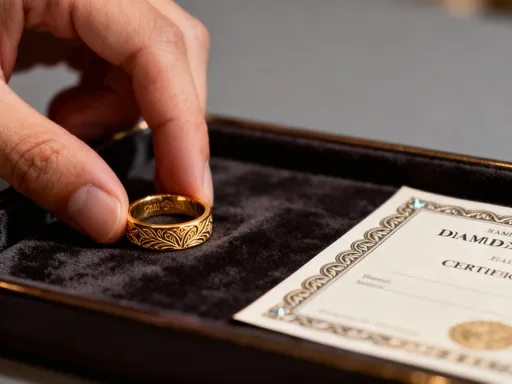
However, even diamonds with strong 4C ratings may not perform well as investments unless they are accompanied by certification from a reputable laboratory. The Gemological Institute of America (GIA) is widely regarded as the most accurate and trustworthy source for diamond grading. Other labs, such as the International Gemological Institute (IGI) or European Gemological Laboratory (EGL), may provide less stringent evaluations, leading to overgraded stones that fail to hold value. Therefore, a certified GIA report is essential for any diamond intended as an investment.
Liquidity is another challenge. Unlike gold, which has a standardized global price per ounce, diamonds lack a uniform market. Resale requires finding a buyer who values the specific characteristics of the stone, which can take time and negotiation. Auction houses and specialized dealers offer the best chances for fair pricing, but commissions and evaluation fees reduce net returns. Pawn shops and online marketplaces may provide faster sales but often at significantly discounted rates.
Given these limitations, many investors are turning to alternatives. Colored gemstones like Burmese rubies, Kashmir sapphires, or Colombian emeralds have demonstrated stronger appreciation over time due to extreme rarity and historical demand. These stones, particularly when sourced from legendary mines, can command premium prices at auction. However, authenticity and provenance are critical—synthetic or treated stones are common and worth far less.
Lab-grown diamonds present another modern option. Priced at a fraction of natural diamonds, they offer ethical and cost advantages. However, they have virtually no resale value. With increasing production capacity, lab-grown diamonds are becoming commoditized, making them poor candidates for long-term investment. While they serve well for personal wear, they do not function as stores of value in the same way as high-quality natural stones or precious metals.
The lesson is clear: not all diamonds are created equal in the investment world. Only a small percentage—those with exceptional quality, proper certification, and rare characteristics—are likely to maintain or increase in value. For most buyers, the emotional significance of a diamond outweighs its financial return. But for those seeking both beauty and potential gain, focusing on certified, high-grade natural diamonds with documented provenance offers the best path forward.
Designer Brands vs. Raw Materials: Where Real Value Lies
Luxury jewelry brands like Cartier, Tiffany & Co., and Van Cleef & Arpels carry immense prestige. Their names evoke elegance, craftsmanship, and exclusivity. But when it comes to investment value, brand recognition alone does not guarantee financial return. In fact, the premium paid for a designer label often represents marketing, retail overhead, and brand equity—not intrinsic material worth. This means that while a branded piece may cost significantly more upfront, its resale value may not reflect that initial investment.
Consider two necklaces: one from a renowned designer, the other from a lesser-known jeweler. Both contain identical amounts of 18K gold and a 1.5-carat GIA-certified diamond. The designer piece might cost twice as much due to branding and boutique presentation. However, upon resale, the difference in return is likely to be minimal. Buyers in the secondary market—especially dealers and refiners—focus on material content and certification, not logos or packaging. The emotional appeal of a brand fades; the gold content and diamond quality remain.
That said, there are exceptions. Certain vintage or limited-edition pieces from iconic designers can become collectibles, appreciating in value due to rarity, historical significance, or celebrity provenance. A Cartier Trinity ring from the 1970s, for example, or a signed David Webb bracelet may command a premium in the collector’s market. These items transcend mere materials and enter the realm of art and heritage. But such cases are the minority and require expert knowledge to identify and authenticate.
For most investors, the smarter strategy is to prioritize raw materials over branding. A simple 14K gold band with a well-cut, certified diamond will likely outperform a flashy designer ring of similar specifications in terms of long-term value retention. This is especially true if the goal is liquidity—being able to sell quickly at a fair price. Unbranded or independent designer pieces often provide better value at purchase and face less depreciation at resale.
Another consideration is global market differences. In some regions, particularly in Asia and the Middle East, international luxury brands are highly sought after, and their resale markets are more developed. A pre-owned Tiffany necklace may retain more value in Dubai than in a small-town pawn shop in the U.S. However, this demand is not universal and can shift with fashion trends and economic conditions.
The key takeaway is balance. While a designer piece may bring joy and social recognition, it should not be purchased solely as an investment unless it meets specific collector criteria. For financial purposes, the focus should remain on the tangible components: gold weight, diamond quality, and certification. These elements form the foundation of lasting value, independent of logos or labels.
Buying Smart: Where and How to Source Investment-Grade Pieces
Acquiring investment-grade jewelry requires more than just a willingness to spend—it demands strategy, research, and discipline. The purchase channel significantly influences both cost and quality. Traditional retail stores, while convenient, often carry the highest markups. Department stores and mall-based jewelers may offer financing and warranties, but their prices rarely reflect wholesale or market value. For investors, this means paying more for branding and convenience rather than intrinsic worth.
More favorable options include estate sales, auctions, and certified independent dealers. Estate jewelry—pieces previously owned and passed down—often sells below retail value while still containing high-quality materials. These items may feature vintage designs and rare craftsmanship, adding potential collector appeal. Auction houses, both live and online, provide access to curated collections and transparent bidding processes. Reputable platforms like Sotheby’s, Christie’s, or specialized jewelry auctioneers offer detailed catalogs, expert appraisals, and authentication services, reducing the risk of fraud.
Certified dealers who specialize in investment-grade jewelry are another reliable source. These professionals typically provide documentation, including GIA reports, assay certificates, and purchase receipts. They may also offer buy-back guarantees or trade-in options, adding flexibility for future liquidity. When working with any dealer, it’s essential to verify credentials, read reviews, and request third-party verification if needed.
Online marketplaces have expanded access to global inventory, but they come with risks. While sites like James Allen or Blue Nile offer certified diamonds with detailed imagery, other platforms may lack oversight. Buyers should avoid deals that seem too good to be true, as they may involve synthetic stones, misgraded diamonds, or stolen goods. Always insist on recent, independent certification and use secure payment methods.
Due diligence is non-negotiable. Before purchasing, obtain a professional appraisal from a qualified gemologist. This report should detail metal content, gemstone specifications, and estimated market value. For diamonds, ensure the grading comes from GIA or AGS (American Gem Society). Keep all documentation in a secure location, along with photographs of the piece from multiple angles.
Emotional buying is one of the biggest pitfalls. Jewelry is inherently personal, and it’s easy to be swayed by beauty or sentiment. But investment decisions should be based on objective criteria: material value, certification, and market demand. Setting a clear budget and sticking to it helps prevent overpaying. Additionally, timing purchases during market dips—such as when gold prices decline or during holiday sales—can improve long-term returns.
Finally, consider liquidity. An investment is only valuable if it can be converted to cash when needed. Prioritize pieces with standardized features—such as round brilliant diamonds, plain gold chains, or bullion-style bars—that are widely recognized and easily appraised. Avoid overly unique or customized designs that may appeal to only a narrow buyer pool. By sourcing wisely and focusing on fundamentals, investors can build a jewelry portfolio that shines both aesthetically and financially.
Storing and Insuring: Protecting Your Sparkling Assets
Owning valuable jewelry brings responsibility. Unlike stocks or bonds, physical assets are vulnerable to loss, theft, and damage. A single incident—a misplaced ring, a broken safe, a house fire—can erase years of careful investment. Therefore, secure storage and proper insurance are not optional; they are essential components of any jewelry investment strategy.
At-home storage options range from simple lockboxes to high-security safes. For low-value or frequently worn pieces, a fire-resistant home safe bolted to the floor may suffice. These safes protect against fire, water damage, and casual theft. However, for high-value items, a bank safety deposit box offers superior security. Located within insured financial institutions, these boxes are inaccessible to unauthorized individuals and protected from most natural disasters. The trade-off is reduced accessibility—banks may limit access to business hours and require identification for entry.
Regardless of storage method, documentation is crucial. Maintain a detailed inventory list that includes descriptions, photographs, appraisals, receipts, and certification reports. Update appraisals every two to three years to reflect current market values, especially for insurable items. This documentation not only supports insurance claims but also facilitates future sales by proving authenticity and quality.
Standard homeowners or renters insurance typically provides limited coverage for jewelry—often capping claims at $1,000 to $2,000 per item. This is rarely sufficient for investment-grade pieces. A separate jewelry insurance policy or a scheduled personal property endorsement is necessary to ensure full replacement value. These policies cover loss, theft, mysterious disappearance, and accidental damage, often without deductibles for covered events.
When obtaining insurance, choose a provider that specializes in fine jewelry, such as Chubb, Jewelers Mutual, or Lavalier. These companies understand the nuances of gemstone valuation and offer services like worldwide coverage, no-depreciation payouts, and direct claims processing with reputable jewelers. Premiums are typically 1% to 2% of the item’s value annually, making coverage affordable relative to the protection it provides.
Avoid underinsuring. Some owners hesitate to declare full value due to cost concerns, but this risks receiving only partial compensation in the event of loss. Over time, gold and diamond prices rise, so regular appraisal updates ensure coverage keeps pace with market trends. Additionally, keep digital and physical copies of all records in separate locations to prevent total data loss.
Security habits matter, too. Avoid wearing high-value jewelry in high-risk environments, and never store valuables in obvious places like dressers or nightstands. When traveling, use hotel safes cautiously—many are vulnerable to tampering. For extended trips, consider leaving jewelry at home or in a bank vault. By combining secure storage, comprehensive insurance, and good habits, investors can safeguard their assets and enjoy peace of mind.
Selling for Success: Timing, Platforms, and Maximizing Returns
Every investment must eventually be liquidated, and jewelry is no exception. The timing and method of sale can significantly impact returns. Selling too quickly—such as in an emergency or emotional decision—often leads to fire sales and suboptimal pricing. Conversely, waiting for favorable market conditions can yield better results. Gold prices, for example, tend to rise during periods of inflation or economic uncertainty. Monitoring commodity trends and global financial news can help identify opportune moments to sell.
The choice of selling platform also matters. Pawn shops offer immediate cash but typically pay well below market value, often around 50% to 70% of melt price for gold. They are best suited for urgent needs, not maximizing returns. Private sales through trusted networks or online marketplaces like Etsy, Ruby Lane, or specialized forums can yield higher prices, but they require time, effort, and caution to avoid scams.
Auction houses remain one of the most effective channels for high-value jewelry. They attract serious buyers, including collectors and dealers, and provide professional marketing and authentication. While commissions can range from 15% to 30%, the potential for premium bids often offsets these costs. Consignment through a reputable jeweler is another option, particularly for branded or vintage pieces with strong resale appeal.
Pricing realistically is essential. Overpricing deters buyers and prolongs the sale process. Rely on recent comparable sales, current gold spot prices, and certified appraisals to set a competitive yet fair price. Be prepared to negotiate, but know the minimum acceptable value based on material content and market data.
Finally, consider the role of jewelry within a broader financial plan. It should complement, not dominate, an investment portfolio. Financial advisors generally recommend allocating no more than 5% to 10% of assets to alternative investments like precious metals or collectibles. This ensures diversification while minimizing exposure to illiquidity and price volatility.
Jewelry, when chosen wisely, can offer both emotional fulfillment and financial resilience. It connects personal history with practical wealth preservation. By focusing on quality, certification, and informed decisions, investors can turn sparkle into substance—building a legacy that lasts far beyond a single generation.